Top Roadway Construction Safety Hazards for Workers
 Roadway construction can improve access, address congestion, and improve safety for road users. Learn about top roadway construction safety hazards for workers.
Road construction contributes to economic development by improving access to businesses, services, and employment. While the specialized equipment and techniques used to make durable roadways are impressive, construction workers also navigate dangerous worksites to complete projects. Discover more about the top roadway construction safety hazards for workers.
Live Electrical Currents
Roadside lighting systems, homes, and commercial properties require electricity. Underground and above-ground utility lines create a safety hazard for construction crews. If equipment comes in contact with a live electrical line, it can cause a fire, explosion, or electrocution.
It’s critical for roadway construction workers to use extreme caution around utilities and maintain an adequate distance. Proper training empowers workers to make smart decisions on the jobsite. This means assuming every power line is live until tested and keeping equipment at least 10 feet away from energized lines.
Traffic
Traffic is one of the top roadway construction safety hazards for workers. Traffic can become hazardous when drivers don’t pay attention or workers don’t adequately control the flow of traffic.
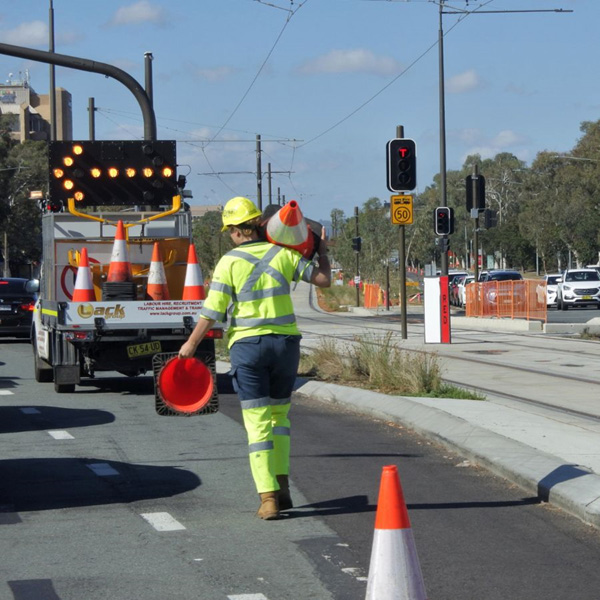
Construction workers use temporary traffic control plans to let drivers, bicyclists, and pedestrians move safely through work zones. Temporary signs, stripes, and pavement markings alert drivers and guide them to safe traffic spaces. Maintaining clear buffer spaces between traffic and construction work helps protect workers and road users.
Heavy Machinery
Road construction requires many types of heavy machinery, including steamrollers and dump trucks. Just as vehicles can cause harm, heavy machinery can wound or kill workers. Lights and signs on and around moving vehicles help keep workers aware of these safety hazards.
Similarly, equipment operators need to remain aware of environmental surroundings, including the locations of pedestrian workers. A spotter helps the operator move through construction zones so no one gets hurt and equipment does not get damaged.
All workers should wear high-visibility clothing and keep their hi-vis workwear in great condition. Dull or damaged fabric is one sign it’s time to replace your reflective hi-vis clothing. Maintain the retroreflective materials and fluorescent colors of hi-vis workwear to stay visible to road users and fellow construction workers.